Dopamine Detox: Resetting Your Reward System (What Science Actually Says)
Your productivity guru swears by 48-hour dopamine fasts. TikTok claims you need to "reset your dopamine receptors." Reddit threads promise life transformation through extreme isolation. Meanwhile, neuroscientists are screaming into the void that this isn't how dopamine works. Time to separate brain science from social media pseudoscience.
HEALTH AND FITNESSDIY GUIDES
10/26/20258 min read


What Is Dopamine? The Misunderstood Neurotransmitter
Dopamine is a neurotransmitter—a chemical messenger that transmits signals between nerve cells in your brain. It plays crucial roles in motivation, reward, movement, memory, attention, and more.
The popular narrative paints dopamine as a "pleasure chemical" you can "detox" from. This fundamentally misunderstands neuroscience. You cannot actually detox from dopamine. It's an essential neurotransmitter that your brain produces naturally and needs for basic functioning.
Without dopamine, you couldn't move your muscles, feel motivated to eat, or experience any sense of reward. Parkinson's disease results from dopamine-producing cell death, causing devastating motor and cognitive impairments.
The Dopamine Detox Trend: Origins and Claims
Dopamine fasting is the general practice of "fasting" or abstaining from any impulsive and behavioral addictions in order to cope with such addictions and thus attempt to reset to a healthier lifestyle.
This concept was first developed by California psychologist Dr. Cameron Sepah as a cognitive behavioral therapy (CBT) technique for managing problematic behaviors, not as a literal dopamine reset.
Targeted behaviors typically include:
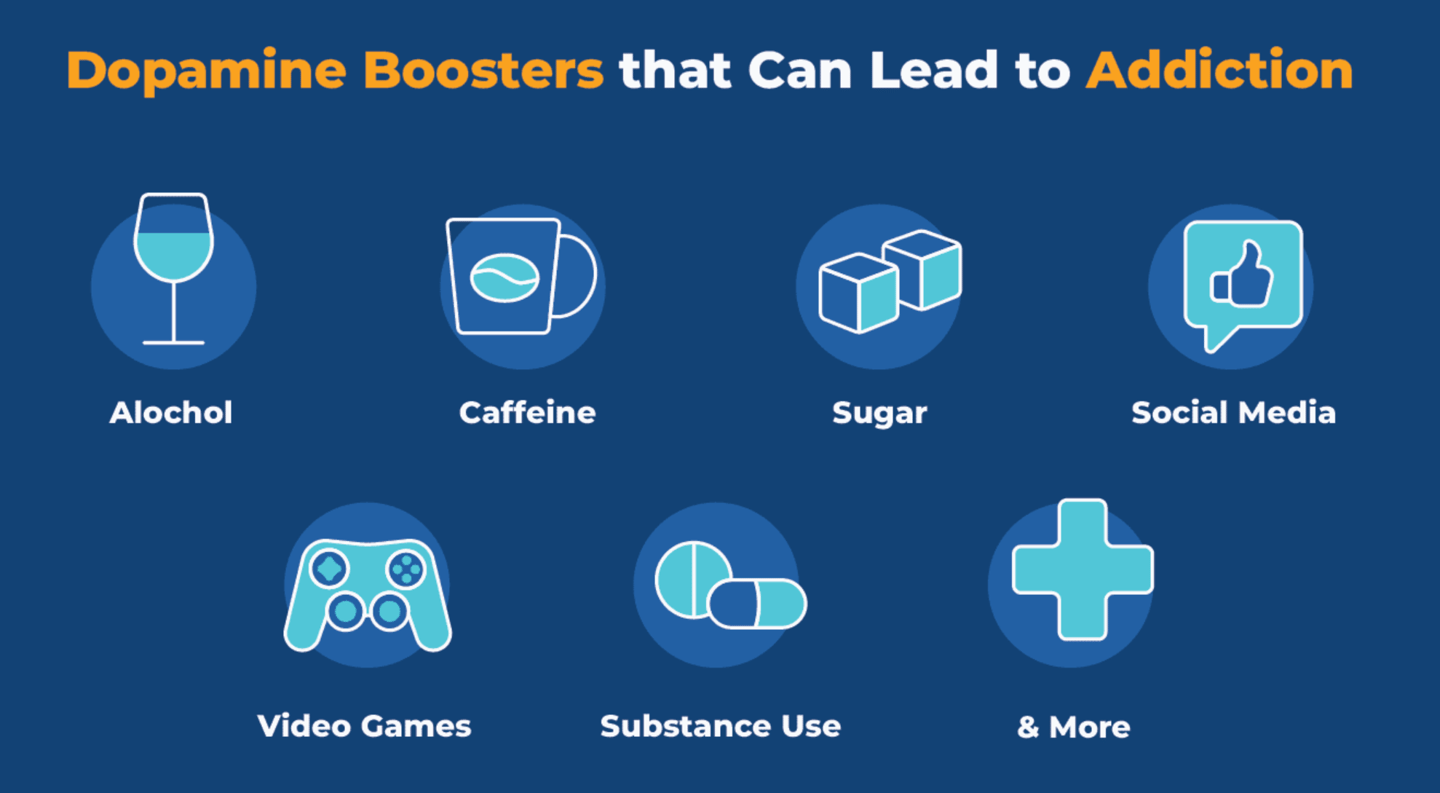
Smartphone and social media use
Emotional eating
Internet gaming
Gambling or compulsive shopping
Pornography or masturbation
Netflix binge-watching
The original therapeutic intention got distorted through social media into extreme interpretations claiming you can "reset dopamine receptors" through complete sensory deprivation.
The Scientific Reality: What Research Actually Shows
The Dopamine Detox Myth Debunked
It is very important to note that a dopamine detox is not a scientifically researched approach. Evidence of any benefits is anecdotal, and most benefits come from refraining from potentially addictive activities. However, they are not related to actually detoxing from dopamine.
Harvard Health Publishing warns that dopamine fasting represents a misunderstanding of neuroscience that spawns maladaptive fads. You cannot "reset" dopamine levels through abstinence any more than you can "reset" serotonin or norepinephrine.
What IS Real: Digital Addiction and Dopamine Dysregulation
While "dopamine detox" is scientifically inaccurate, the underlying problem it attempts to address is very real. Frequent engagement with social media platforms alters dopamine pathways, a critical component in reward processing, fostering dependency analogous to substance addiction.
Research from 2025 shows dopamine-scrolling—the habitual act of scrolling through social media feeds in pursuit of novel content—represents a distinct behavioral pattern and modern public health challenge requiring urgent attention.
What actually happens with excessive digital use:
Digital media activates the same part of our brains as drugs and alcohol, releasing dopamine. With repeated use, our brains adapt by downregulating dopamine transmission—shrinking dopamine receptors.
Each ping, like, or share triggers a minor dopamine release, creating a feedback loop. The constant and unpredictable nature of digital rewards creates variable-ratio reinforcement—the same mechanism making slot machines addictive.
Brain Changes from Digital Overuse
Studies show changes in brain activity within the prefrontal cortex and amygdala, suggesting increased emotional sensitivity and impaired executive function. Research reveals that excessive screen time impacts cognitive function, especially in children and adolescents, affecting memory, learning, and problem-solving abilities.
Digital addiction alters neural structure, reduces activity of the dopaminergic system, and limits neurocognitive functions. However, these changes don't require "detoxing"—they require behavioral change and time for neuroplasticity to restore balance.
Why the Extreme Version Doesn't Work (And May Harm)
The Problems with Extreme Dopamine Fasting
Critics argue that the dopamine detox notion has no scientific proof behind it and may fail to deal with the problem of dopamine dysregulation. Some intense types of dopamine fasting which include extreme isolation or strict dieting can result in damage to mental health as well as physical fitness.
Specific risks of extreme approaches:
Social isolation exacerbating loneliness and depression
Anxiety from complete sensory deprivation
Disordered eating patterns from food restriction
Reduced productivity from eliminating all stimulation
Guilt and shame when "falling off" the detox
The all-or-nothing mentality creates cycles of restriction and bingeing—ironically reinforcing the addictive patterns it claims to fix.
What Actually Works: Evidence-Based Alternatives
Cognitive Behavioral Therapy for Digital Addiction
While no studies support dopamine detox specifically, research supports the use of CBT as a treatment for conditions like internet addiction. Through detailed assessment, CBT therapists help patients understand how thoughts and behaviors contribute to problematic patterns.
This is what Dr. Sepah originally intended—not sensory deprivation, but conscious behavioral modification addressing root causes of compulsive behavior.
Gradual Exposure Reduction
Instead of cold-turkey elimination, research supports gradual reduction of problematic behaviors while building healthier alternatives.
The evidence-based approach:
Identify triggers for compulsive checking or scrolling
Implement friction (remove apps from home screen, use website blockers)
Create alternative rewards (physical activity, social connection, creative pursuits)
Build gradually (start with phone-free hours, expand to phone-free mornings)
Address underlying needs (boredom, anxiety, loneliness) with healthier solutions
Exercise-Based Interventions
February 2025 research shows exercise-based interventions can effectively improve the autonomic nervous system in patients with internet addiction and normalize, to a certain extent, neural structure and dopamine function.
Physical activity provides natural dopamine release without the addictive variable-reward pattern of digital stimulation. The neurobiological benefits are immediate and cumulative.
The Real Problem: Modern Digital Environment Design
Social media platforms intentionally exploit dopamine systems. Algorithms optimize for engagement—maximizing time spent through carefully engineered psychological manipulation.
Variable-ratio reinforcement schedules (unpredictable rewards) create stronger behavioral patterns than consistent rewards. You scroll because you don't know what you'll find next—the same mechanism driving gambling addiction.
Infinite scroll eliminates natural stopping points, hijacking your attention through deliberate design choice.
Social validation metrics (likes, comments, shares) tap into fundamental human needs for belonging and status, creating compulsive checking behavior.
The problem isn't your dopamine system—it's that trillion-dollar companies employ behavioral psychologists to make products as addictive as legally permissible.
Practical Digital Wellness Protocol
Phase 1: Assessment (Week 1)
Track actual usage: Use built-in screen time tools to measure baseline. Most people dramatically underestimate their smartphone use.
Identify patterns: When do you mindlessly reach for your phone? What emotions trigger scrolling? What activities get displaced by screen time?
Set specific goals: Not vague "use phone less," but measurable targets: "No phone first hour after waking," "No scrolling after 9 PM," "30-minute daily maximum on social media."
Phase 2: Environmental Design (Week 2-3)
Physical barriers:
Charge phone outside bedroom
Remove social media apps from phone (use desktop only)
Use grayscale mode (reduces visual appeal)
Enable screen time limits with accountability partner password
Alternative rewards:
Place book on nightstand where phone normally sits
Keep guitar/art supplies visible and accessible
Schedule specific social activities (real connection vs digital)
Prepare engaging offline activities for commute
Phase 3: Behavioral Replacement (Week 4+)
Morning routine reconstruction: Replace morning scroll with: meditation, journaling, exercise, reading, breakfast without screens.
Boredom tolerance building: Deliberately practice being unstimulated. Wait in lines without pulling out phone. Sit with discomfort of not knowing what you're missing online.
Social connection restoration: Replace digital interaction with face-to-face connection, phone calls, handwritten notes.
Creative engagement: Channel energy into productive activities: learning instruments, art, writing, building, cooking.
Phase 4: Maintenance and Flexibility
Periodic digital sabbaticals: Regular phone-free weekends or week-long breaks maintain perspective and prevent creeping usage increases.
Intentional re-engagement: When using digital platforms, set specific purposes and time limits before opening apps. Avoid mindless browsing.
Community accountability: Share goals with friends, join digital wellness groups, or use accountability apps with social features.
Building Sustainable Change
Structured planning and progress tracking transform digital wellness from temporary willpower exercise into sustainable lifestyle change. Consider how measuring screen time, tracking mood correlations, and celebrating small wins creates momentum toward healthier relationships with technology.
The goal isn't eliminating all digital stimulation—modern life requires technology. The goal is restoring agency, intentionality, and balance.
When to Seek Professional Help
Warning Signs Requiring Clinical Support
Digital use significantly impairing work, relationships, or health
Experiencing withdrawal symptoms (anxiety, irritability, physical discomfort) when unable to access devices
Failed multiple attempts to reduce usage independently
Using digital activity to escape depression, anxiety, or other mental health issues
Neglecting basic needs (sleep, meals, hygiene) due to screen time
Internet addiction and smartphone dependency benefit from professional CBT, potentially combined with medication for underlying conditions like ADHD, depression, or anxiety.
The Bottom Line: Behavioral Change, Not Neurochemical Reset
The "dopamine detox" concept contains a kernel of truth wrapped in neuroscientific nonsense. You cannot detox from an essential neurotransmitter. But you absolutely can modify behaviors that hijack your reward system.
What actually works:
Gradual reduction of compulsive digital behaviors
Environmental design reducing access to addictive stimuli
Building alternative reward sources (exercise, social connection, creative pursuits)
Addressing underlying emotional needs driving escapist behavior
Professional support when self-directed efforts fail
What doesn't work:
Extreme isolation or sensory deprivation
All-or-nothing approaches creating restrict-binge cycles
Ignoring underlying emotional or psychological issues
Believing you can "reset" dopamine through temporary abstinence
Stop trying to detox from dopamine. Start building healthier relationships with stimulating activities. The solution isn't restriction—it's intentionality.
Frequently Asked Questions
Is dopamine detox scientifically valid?
No. Dopamine detox is not a scientifically researched approach and evidence of benefits is anecdotal. You cannot actually detox from dopamine—it's an essential neurotransmitter your brain needs for basic functioning. Harvard Health warns that dopamine fasting represents a misunderstanding of neuroscience. However, reducing compulsive behaviors does provide benefits unrelated to dopamine detoxing.
Can you really "reset" your dopamine receptors?
No. Digital media does downregulate dopamine transmission by shrinking dopamine receptors with repeated use, but this doesn't "reset" through temporary abstinence. Brain changes require sustained behavioral modification and time for neuroplasticity to restore balance. The metaphor of "resetting" fundamentally misrepresents how neurotransmitter systems work.
What actually happens to your brain with excessive social media use?
Frequent social media engagement alters dopamine pathways fostering dependency analogous to substance addiction. Changes occur in prefrontal cortex and amygdala affecting emotional regulation and executive function. Digital addiction alters neural structure and reduces dopaminergic system activity. However, these changes reverse gradually with sustained behavioral change—not through short-term "detox."
How long does it take to recover from digital addiction?
Recovery timelines vary individually, but research shows exercise-based interventions can improve autonomic nervous system function and partially normalize neural structure. Most people notice improved focus, mood, and sleep within 2-4 weeks of sustained behavior change. Complete neural adaptation may require 3-6 months of consistent new patterns. Gradual improvement is typical, not dramatic overnight transformation.
What's the difference between dopamine detox and digital minimalism?
Dopamine detox claims to "reset" neurotransmitter levels through temporary extreme abstinence—scientifically invalid. Digital minimalism focuses on intentional technology use aligned with values—building sustainable boundaries without pseudoscientific claims. Digital minimalism is evidence-based behavioral change; dopamine detox is trendy neuroscience misunderstanding. Both may reduce problematic screen time, but for different reasons.
Why is scrolling social media so addictive?
Social media exploits variable-ratio reinforcement—unpredictable rewards create stronger habits than consistent rewards. Each ping, like, or share triggers dopamine release creating feedback loops. Dopamine-scrolling represents the habitual pursuit of novel content through infinite scroll design eliminating natural stopping points. Platforms intentionally optimize engagement using behavioral psychology principles.
Should I completely eliminate social media and smartphones?
Not necessary for most people. Complete elimination is impractical in modern life and may increase social isolation. The goal is intentional use aligned with values, not absolute abstinence. Implement boundaries like app removal, time limits, phone-free zones and times. Focus on reducing compulsive checking while maintaining beneficial uses (staying connected, learning, necessary communication).
What are healthier ways to get dopamine besides digital stimulation?
Exercise provides natural dopamine release without addictive patterns. Social connection, creative pursuits, learning new skills, accomplishing goals, eating nutritious food, and adequate sleep all support healthy dopamine function. The key difference: these activities provide sustained satisfaction versus the brief spike-and-crash cycle of digital rewards. Build diverse reward sources rather than depending on single channels.
Can extreme dopamine fasting be harmful?
Yes. Intense dopamine fasting including extreme isolation or strict dieting can damage mental health and physical fitness. All-or-nothing approaches create restrict-binge cycles worsening addictive patterns. Social isolation exacerbates loneliness and depression. Sensory deprivation increases anxiety. Sustainable change requires gradual behavioral modification, not extreme temporary measures.
What if I've tried to reduce phone use but always fail?
Repeated failure suggests deeper issues requiring professional support. CBT effectively treats internet addiction by addressing underlying thoughts and emotional needs driving compulsive behavior. Consider whether you're using digital activity to escape depression, anxiety, ADHD, or other conditions. Professional assessment identifies root causes enabling targeted treatment rather than continued willpower-based attempts.